
 By
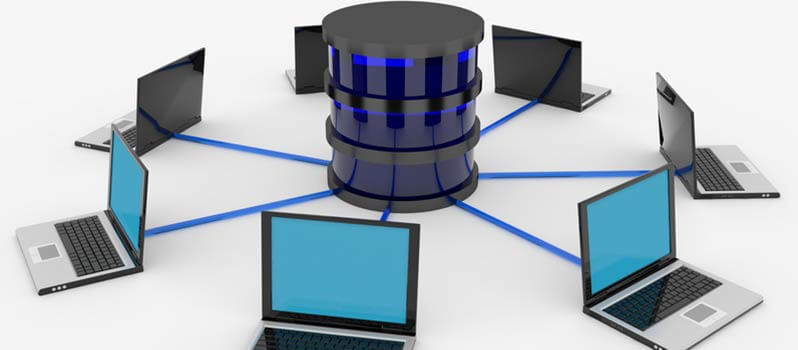
By Running a multi-location auto repair business presents unique operational challenges, particularly when it comes to managing staff efficiently. One of the most critical resources in such businesses is the team of technicians, whose skills, availability, and performance directly affect service quality and customer satisfaction. Without a coordinated system, tracking technician assignments, certifications, and workload across multiple locations can quickly become chaotic. Implementing a shared database for technicians across locations addresses these challenges by centralizing information, streamlining workflows, and ensuring that each location can operate at maximum efficiency.
The Challenges of Multi-Location Technician Management
Managing technicians across multiple auto shops is inherently complex. Each location may have a different mix of expertise, varying workloads, and unique scheduling needs. Traditional methods, such as spreadsheets or manual logs, often lead to inefficiencies:
- Inconsistent Skill Tracking: Without a centralized database, it is difficult to know which technician is certified or trained for specific services.
- Scheduling Conflicts: Assigning jobs manually increases the risk of double-booking technicians or underutilizing their skills.
- Knowledge Gaps: Technicians working at different locations may not have access to previous service histories, causing repeated work or inconsistent repairs.
- Performance Monitoring Challenges: Tracking productivity, errors, and customer feedback across locations is time-consuming and prone to mistakes.
A shared database centralizes all technician information, providing a single source of truth that simplifies management and enhances operational efficiency.
Centralized Information Access
A shared database allows franchise or multi-location owners to store and access technician data from any location, ensuring consistency and reliability:
- Skill and Certification Tracking: Record each technician’s qualifications, certifications, and areas of expertise to ensure jobs are assigned to the right personnel.
- Availability Management: Real-time access to technician schedules across all locations prevents conflicts and improves workload distribution.
- Historical Service Data: Maintain a record of technicians’ past repairs, customer interactions, and feedback to inform future job assignments.
- Contact Information: Keep a centralized directory of all technicians, including emergency contacts and preferred communication methods.
Improving Scheduling and Workflow
One of the most immediate benefits of a shared technician database is more efficient scheduling and workflow management:
- Optimized Job Allocation: Assign tasks based on technician skill set, availability, and proximity to the location, ensuring faster service completion.
- Cross-Location Assignments: Easily deploy technicians to locations experiencing higher demand without confusion or scheduling conflicts.
- Reduced Downtime: Centralized scheduling ensures all available technicians are fully utilized, minimizing idle time.
- Automated Reminders: Integrated systems can send reminders to technicians about upcoming assignments, certifications renewals, or training sessions.
Enhancing Training and Development
A shared database also supports the growth and development of technician teams across all locations:
- Training Records: Track completed training, ongoing skill development, and certifications to maintain compliance with industry standards.
- Identify Skill Gaps: Analyze performance and skills data to identify areas where additional training is needed.
- Standardized Onboarding: New technicians can be integrated seamlessly into multiple locations with access to consistent training materials and procedures.
- Mentorship Opportunities: Pair experienced technicians with newer staff across locations based on skills recorded in the database.
Boosting Productivity and Performance
Centralized data enables better performance monitoring and accountability:
- Real-Time Metrics: Track productivity, job completion rates, and service quality for each technician across locations.
- Performance Comparisons: Compare performance across locations to recognize top performers and implement best practices.
- Accountability: Technicians are aware that performance metrics are monitored centrally, which can encourage consistent effort and attention to detail.
- Error Tracking: Identify recurring mistakes or service issues linked to specific technicians and provide targeted training.
Enhancing Customer Experience
A shared technician database directly impacts customer satisfaction and loyalty:
- Consistent Service Quality: Ensures that the most qualified technician is assigned to each job, maintaining uniform service standards.
- Access to Service History: Technicians can view previous repairs for a vehicle, preventing redundant work and improving efficiency.
- Reduced Wait Times: Optimized scheduling and cross-location assignments ensure that customers receive timely service.
- Personalized Service: Customer preferences and past interactions can be tracked alongside technician assignments to provide a more tailored experience.
Real-Life Scenarios of Database Efficiency
Consider a regional auto repair chain with five locations. Prior to implementing a shared database, managers faced constant challenges:
- Certain technicians were overbooked while others at nearby locations had downtime.
- Skills and certifications were tracked inconsistently, leading to misassigned jobs.
- Customer service records were fragmented, causing repeated diagnostics or unnecessary part replacements.
After implementing a shared technician database:
- Jobs were assigned based on skill set and location, balancing workloads and reducing delays.
- Managers had a clear view of certifications and training needs across all shops.
- Service histories were centralized, reducing errors and improving customer satisfaction.
- Productivity and performance metrics were easily monitored, allowing for proactive adjustments and targeted coaching.
This demonstrates how a shared database can transform multi-location operations, turning complexity into streamlined efficiency.
Integrating with Other Systems
For maximum effectiveness, a shared technician database should integrate with other operational systems:
- Scheduling Tools: Automatically assign jobs and update technician availability in real-time.
- Inventory Management: Ensure the right technician has access to the parts and equipment needed for specific jobs.
- Customer Relationship Management (CRM): Link service history, customer preferences, and technician assignments for a more holistic view.
- Payroll and HR Systems: Track hours worked, overtime, and productivity metrics across all locations.
Best Practices for Implementing a Shared Database
To ensure the successful adoption of a shared technician database:
- Define Clear Data Standards: Establish consistent formats for recording skills, certifications, and performance metrics.
- Train Staff Thoroughly: Technicians and managers should understand how to access, update, and utilize the database effectively.
- Maintain Data Security: Protect sensitive employee and operational data with secure access controls and regular backups.
- Regularly Update Information: Keep certifications, training records, and schedules current to maintain accuracy.
- Leverage Analytics: Use database insights to inform staffing decisions, training programs, and performance incentives.
FAQ
Q: Can a shared technician database work for small multi-location operations?
A: Yes, even businesses with two or three locations benefit from centralized tracking, improving scheduling, training, and customer service.
Q: How does a shared database improve technician accountability?
A: By tracking performance metrics, job completion, and certifications centrally, technicians understand that their work is monitored and evaluated consistently.
Q: Can the database integrate with existing auto shop software?
A: Yes, most modern systems can integrate with scheduling, inventory, CRM, and payroll software, creating a unified operational ecosystem.
Q: Will implementing a shared database disrupt current operations?
A: With proper planning and staff training, implementation can be smooth. Many systems offer phased rollouts to minimize disruption.
Q: How quickly can improvements be seen after implementation?
A: Benefits such as optimized scheduling, reduced errors, and better service quality are often noticeable within a few months.
Creating a shared database for technicians across locations is a strategic move for any multi-location auto repair business. By centralizing skills, certifications, schedules, and performance data, franchise and multi-shop owners can optimize resource allocation, improve service quality, and boost overall operational efficiency. This centralized approach not only enhances productivity and accountability but also ensures a consistent and high-quality customer experience, positioning the business for sustainable growth and long-term success.